
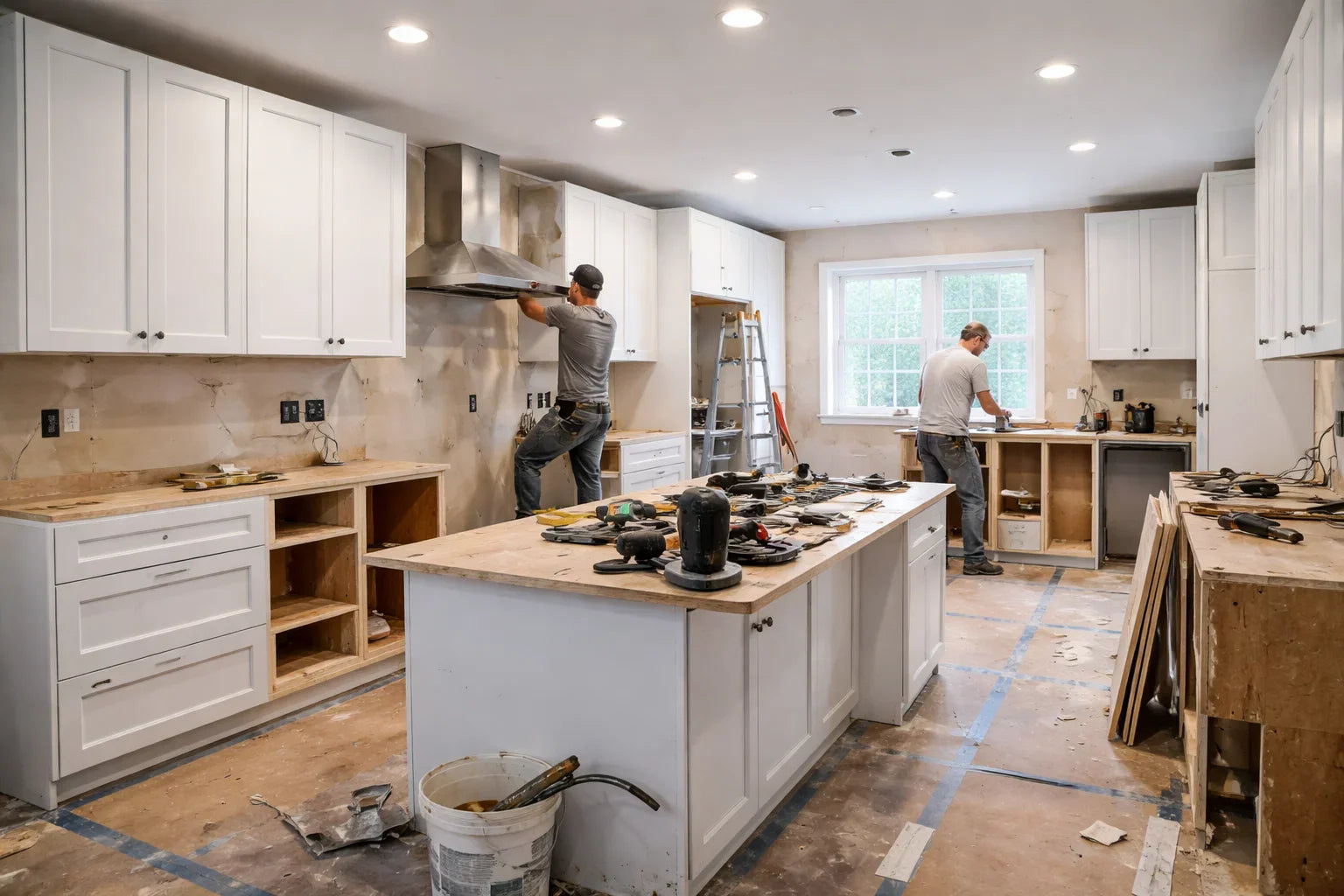
When installing a new range hood, one common question is whether it should be hardwired directly into your home’s electrical system or connected using a standard plug and outlet. Both approaches are commonly used, and the best choice often depends on your installation setup, local electrical codes, and personal preference.
What Does Hardwiring a Range Hood Mean?
Hardwiring means the appliance is connected directly to the home’s electrical wiring rather than plugged into an outlet. The wires from the hood are attached to the household electrical supply inside a junction box.
This type of installation is common in built-in appliances and can give the kitchen a cleaner appearance since there is no visible cord.

Advantages of Hardwiring
1. Cleaner Look
Since there is no power cord or visible outlet, hardwired installations can create a more streamlined and built-in appearance, especially with under-cabinet or wall-mounted hoods.
2. Permanent Installation
Hardwiring is often used when the hood is intended to stay in place long-term. It becomes part of the kitchen’s fixed electrical system.
3. Useful When No Outlet Is Nearby
If there is no outlet above the range or inside the cabinet, hardwiring may be the most practical installation method.
Advantages of Plug-In Installation
1. Easier Installation
Plug-in range hoods are generally simpler to install, since they only require a nearby electrical outlet.
2. Easier Maintenance or Replacement
If the hood needs to be serviced or replaced, it can be unplugged quickly without touching the home’s wiring.
3. DIY Friendly
Many homeowners prefer plug-in models because they often don’t require an electrician, depending on local regulations.

Things to Consider Before Deciding
Local Electrical Codes
Electrical requirements can vary by region. Some building codes may require specific installation methods, so it's important to check local regulations before deciding.
Kitchen Layout
Your decision may depend on where the power source is located. If an outlet is already installed in the cabinet above the hood, a plug-in setup is usually straightforward.
Installation Skills
Hardwiring typically involves working with household electrical wiring, which may require professional installation if you're not comfortable with electrical work.
Which Option is Better?
Neither option is universally better.
- Hardwired installations are often chosen for built-in designs and a clean appearance.
- Plug-in installations are preferred when flexibility, convenience, and easier installation are priorities.
Ultimately, the right choice depends on your kitchen layout, local electrical requirements, and how permanent you want the installation to be.
Share:
Counter-Depth vs Standard-Depth Refrigerators Explained